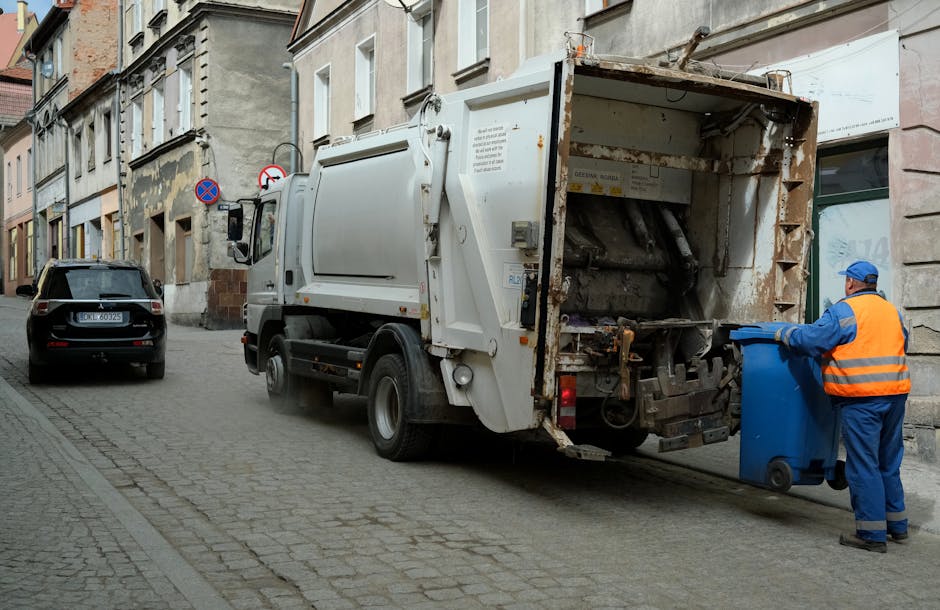
Frognal Removals and Camden Waste Rules for Disposal
Posted on 05/07/2026

If you are planning a move in NW3, the last thing you want is a pile of unwanted furniture, broken boxes, or random household waste becoming the stressful bit. Frognal Removals and Camden Waste Rules for Disposal go hand in hand: one is about getting your belongings out safely, the other is about making sure everything you leave behind is handled properly. Miss the rules, and you could end up with delays, extra costs, or a messy handover. Get it right, and the whole move feels calmer. A lot calmer.
In this guide, we'll walk through how local removals and disposal rules work in practical terms, what people often forget, and how to make better decisions about storage, recycling, reuse, and waste clearance. You'll also find a checklist, a comparison table, and plain-English advice that is actually useful on moving day, not just in theory.
Why Frognal Removals and Camden Waste Rules for Disposal Matters
Frognal sits in a part of London where access can be awkward, parking can be tight, and properties often sit in terraces, conversions, or mansion blocks with shared entrances and narrow stairways. That means moving day is rarely just a van, a few boxes, and a cheerful goodbye. There is usually a disposal decision hidden in the background: what gets moved, what gets donated, what gets recycled, and what needs to be removed as waste.
Camden's waste rules matter because they shape how you can legally and practically get rid of unwanted items. For a typical household move, that could mean old sofas, mattresses, white goods, bags of decluttered junk, or packaging left after a big sort-out. If those items are handled badly, the consequences can be more than annoying. Fly-tipping, blocked pavements, unsafe loading, and unlicensed disposal can all create real problems.
There is also a quieter benefit here. When disposal is planned properly, the move feels lighter. You spend less time lifting things twice. You avoid dragging unusable items from one address to another. And you get a cleaner start in the new place. Truth be told, many people only realise this halfway through a move, when the hall is full and they're asking themselves why they kept that heavy chest of drawers for so long.
If your move involves bulky furniture or specialist items, it can help to think beyond the waste pile. For example, a sofa that is still usable may be better handled through storage or resale than disposal, and our article on sofa protection and storage planning is useful when you are deciding whether an item should travel, wait, or go.
How Frognal Removals and Camden Waste Rules for Disposal Works
The practical flow is usually simple, even if the paperwork and choices around it are not. Start by sorting every item into one of four buckets: keep, move, store, or dispose. That first pass sounds basic, but it changes everything. The more clearly you separate the categories, the less likely you are to pay to move items you never wanted in the first place.
For disposal in Camden, the key principle is responsible segregation. In normal moving scenarios, that means separating recyclable materials from general waste where possible, and ensuring bulky items are taken to the right route for lawful disposal. You should never assume that because something is old, damaged, or no longer useful, it can simply be left outside with the bins. Councils tend to be much stricter than people expect. And honestly, that is fair enough.
In removals, timing matters too. A removal crew may need to load selected items first, clear clutter after packing, and then leave a final sweep of rubbish or leftover materials to be dealt with separately. This is especially common where people have spent weeks decluttering beforehand. If you are at that stage, decluttering before a move is worth reviewing, because better sorting at the start usually means less waste at the end.
It also helps to know that not every item should be treated the same way. A wardrobe, a washing machine, a mattress, and a stack of broken cardboard all follow different handling logic. That may sound obvious, yet moving day has a funny way of turning obvious things into chaos.
Key Benefits and Practical Advantages
When you combine a well-run Frognal removal with sensible Camden disposal planning, the benefits stack up quickly. You save time, reduce stress, and avoid last-minute calls about where a load of unwanted stuff is going to end up. More importantly, you reduce the risk of waste being left in the wrong place or handled by the wrong people.
- Cleaner move-out: fewer leftovers in the property, which is especially useful if you need a tidy handover.
- Lower lifting risk: fewer unnecessary trips carrying heavy items up and down stairs.
- Better cost control: disposing early can be cheaper than paying to transport and store things you do not want.
- More space for essentials: your van space is used for the items that actually matter.
- Improved compliance: waste is handled more responsibly and in line with local expectations.
There is another advantage people overlook: mental clarity. Once the unwanted stuff is sorted, everything else feels easier. Packing becomes more structured. Cleaning becomes more straightforward. Even those small jobs, like finding the kettle on the first morning in the new place, become less maddening because the move has a shape to it.
If you are weighing up what to keep versus what to let go, our guide on storage versus disposal in Frognal gives a useful decision framework for those awkward middle-ground items.
Who This Is For and When It Makes Sense
This topic is relevant to far more people than first-time movers. In practice, it matters to almost anyone moving within or out of Frognal, especially if the property has limited access or the move is happening under time pressure.
- Families clearing out old furniture before a bigger house move.
- Flat movers dealing with stairs, shared entrances, and limited bin storage.
- Students moving out at the end of term with a mix of reusable items and waste.
- Downsizers who need to part with bulky items that no longer fit the next home.
- Office movers clearing desks, chairs, packaging, and redundant equipment.
- Anyone booking same-day support who needs fast sorting without creating a mess.
It makes especially good sense when the move is local and the property is in a tight part of NW3. Frognal roads can be less forgiving than a brochure might suggest. If you need a refresher on the local layout and access considerations, the article on NW3 flat moves, parking and stair tips is a handy companion piece.
Sometimes the decision is simply about whether the item is worth moving. A battered sofa? Maybe not. A dining table with sentiment and good bones? Possibly yes. A freezer full of forgotten stuff? Well, that is a different conversation and usually not a pleasant one.
Step-by-Step Guidance
Here is a straightforward process that works well for most Frognal moves. It keeps disposal from becoming an afterthought and helps you stay on top of Camden expectations without overcomplicating the day.
- Walk the property early. Make a room-by-room list of what stays, what goes, what can be donated, and what must be disposed of.
- Identify bulky or awkward items. Sofas, beds, mattresses, wardrobes, freezers, and office furniture need extra planning.
- Check what can be reused. If an item is still in decent condition, consider storage, resale, or donation before disposal.
- Separate recyclable materials. Cardboard, clean wood, and certain metals should not be thrown together with general waste if you can avoid it.
- Pack waste in manageable loads. Heavy sacks and overfilled bags are bad news for backs and staircases.
- Plan the van load sequence. Load disposal items in a way that protects keep-items from dust, scratches, or leaks.
- Keep disposal from contaminating the move. Broken glass, loose screws, and old fixings should be contained properly.
- Do a final sweep. Check cupboards, balcony areas, and behind appliances. People always miss something. Always.
For heavier furniture, using correct lifting methods matters just as much as the waste plan. Our article on kinetic lifting and safe handling is a useful read if you want to reduce strain and keep the move controlled.
If you are working solo, or you are tempted to "just shift it quickly," read the advice on safe solo hoisting for heavy items before you improvise. A rushed lift on a narrow stairwell can turn a disposal job into a repair bill.
Expert Tips for Better Results
Small decisions make a big difference here. That is the honest version. Not the glamorous version, but the useful one.
- Keep one disposal zone. One corner, one room, or one designated spot makes sorting much easier.
- Don't mix wet and dry waste. Damp cardboard and loose rubbish become much harder to manage, and the van starts to smell a bit grim.
- Use boxes for small waste. Loose odds and ends get lost quickly, especially when the moving day pace picks up.
- Protect items being moved. A discarded lamp or broken shelf can scratch better items if it is stacked badly.
- Set aside specialist items early. Mattresses, pianos, freezers, and office kit often need separate handling.
- Leave a buffer for the final hour. The last hour is where the forgotten things appear. Behind wardrobes, inside drawers, under sinks. The usual hiding spots.
If you have large items that are not being disposed of immediately, it can be worth protecting them properly in storage rather than making a rushed decision. For a practical example, professional sofa storage tips explain how to avoid damage while you decide what comes next.
Also, be realistic about your own time. A move with disposal is rarely completed in one perfect sweep. Sometimes you'll need a second pass, and that is fine. Better to be a little methodical than wildly efficient and then realise the recycling bag is still in the old kitchen. It happens.

Common Mistakes to Avoid
The most common errors are usually not dramatic. They are small, practical slips that create bigger issues later.
- Leaving disposal until the last minute. This is the big one. It pushes pressure onto the loading phase and makes sorting sloppy.
- Assuming every item can be left at the property. If it is waste, it needs a valid route out.
- Mixing reusable items with rubbish. Once a good item is contaminated, it often becomes much harder to pass on.
- Ignoring access restrictions. If there is a narrow stair, locked gate, or tight driveway, waste handling has to reflect that reality.
- Overfilling bags and boxes. It looks efficient until it tears, spills, or becomes unsafe to move.
- Using the wrong vehicle plan. A small van may be fine for boxes, but bulky waste can alter the load balance quickly.
A lot of people also forget move-out cleaning until the end. That can be costly in both time and energy. A tidy disposal plan works much better when paired with a proper final clean, and the move-out cleaning guide is worth a look if you want the handover to feel properly finished.
One more thing: don't treat a piano, freezer, or mattress like a normal box of junk. These items have their own handling rules, and forcing them through a generic disposal plan is where a lot of damage starts.
Tools, Resources and Recommendations
You do not need fancy equipment, but the right basics help a lot. Think practical, not overengineered.
| Item | Why it helps | Best use |
|---|---|---|
| Heavy-duty bags | Keep loose waste together and reduce spills | General clear-outs and soft waste |
| Stackable boxes | Organise mixed small items cleanly | Kitchen, loft, and cupboard clear-outs |
| Marker pens and labels | Stop keep/dispose confusion | Room sorting and load planning |
| Blankets and wraps | Protect items that are still being moved | Furniture and fragile belongings |
| Gloves and sturdy shoes | Improve grip and reduce minor injury risk | Handling waste and bulky items |
For heavier or more awkward items, specialist handling makes sense. If a piano is involved, use a proper approach rather than a brave one. The page on why piano moving needs more than muscle is a useful reminder of how much care these jobs demand.
And if your move is tied to a bigger furniture clear-out, the dedicated overview of furniture removals in Frognal can help you think about the broader move rather than only the disposal side.
Law, Compliance, Standards, or Best Practice
Because waste disposal can involve council expectations, property rules, and general duty of care, it is worth approaching this side carefully. The exact details depend on the item, the location, and how the waste is being removed, but some common-sense principles always apply.
First, do not leave waste where it creates an obstruction. Pavements, shared entrances, and fire exits should stay clear. Even if you are only planning a short wait before collection, the area must remain safe for residents, visitors, and moving crews.
Second, separate hazardous or specialist waste from normal household rubbish. That includes items that may leak, break, or require dedicated handling. If you are unsure, pause and check rather than guessing. A guess on moving day is not the sort of gamble anyone needs.
Third, use reputable disposal routes. In practical terms, that means you should know who is taking the waste, where it is going, and whether it is being handled responsibly. For most homeowners and renters, that is less about memorising legislation and more about choosing an organised, traceable service approach.
Fourth, keep records where useful. If you are clearing a flat, office, or rental property, a quick list of items removed can help with handover, inventory checks, or disputes later. A simple note on the phone is often enough.
For related operational and safety expectations, it can also be helpful to review the site's health and safety policy and insurance and safety information, especially if your move includes heavy lifting, stairs, or breakable items.
Best practice here is not about being perfect. It is about being careful, consistent, and unhurried enough to make sensible choices.
Options, Methods, or Comparison Table
When people are deciding what to do with unwanted items in a Frognal move, they usually end up choosing between moving, storing, donating, recycling, or disposing. Each option has a place.
| Option | Best for | Pros | Trade-offs |
|---|---|---|---|
| Move it | Useful items you need immediately | Simple if the item is staying with you | Costs space and lifting effort |
| Store it | Good items you are undecided about | Buys time and avoids rushed disposal | Storage costs and extra handling |
| Donate or reuse | Usable furniture or household goods | Reduces waste and helps someone else | Needs condition checks and timing |
| Recycle | Appropriate materials and separated items | Responsible and tidy outcome | Requires sorting and preparation |
| Dispose | Broken, unsafe, or unwanted waste | Clears the property fast | Must be handled properly |
In many real moves, the best answer is a mix. A mattress gets replaced, a bookshelf goes into storage for a month, and a bag of mixed clutter is disposed of. That kind of split decision is normal. It's not indecision; it's sensible sorting.
If you need help choosing between a keep-or-go decision, the piece on downsizing on Frognal Estate gives a realistic picture of how smaller homes often force better decisions.
Case Study or Real-World Example
Imagine a couple moving out of a two-bedroom flat near Frognal. They have a bed frame that is staying, a sofa that is too large for the new property, a freezer they no longer want, and several boxes of mixed household clutter from years of living there. At first glance, the move looks straightforward. In reality, it becomes much smoother when they split the job into two tracks: removal and disposal.
They label the sofa, freezer, and unwanted boxes early. They also separate cardboard, textiles, and broken household items so the removal crew is not wasting time sorting during loading. On the day, the van is used for keep-items first, then the disposal pile is dealt with in a controlled second load. The flat ends up empty earlier than expected, the hall stays clearer, and the final clean is quicker than it would have been otherwise.
What changed? Not the amount of stuff, really. Just the sequence. That's the part people miss. Once the waste plan is built into the move plan, everything stops fighting everything else.
A similar approach works well for awkward access situations too. If your route involves a narrow lane, a locked gate, or a tricky driveway, planning the disposal load separately can reduce back-and-forth. For that kind of local problem-solving, the article on locked gates and narrow drives in Frognal moves is particularly relevant.
Practical Checklist
Use this list before moving day. It keeps the disposal side tidy and helps you avoid last-minute panic.
- Walk through every room and mark items as keep, store, donate, recycle, or dispose.
- Separate bulky waste from normal boxes and packing materials.
- Check whether any item needs specialist handling, such as a mattress, freezer, or piano.
- Make sure recyclable materials are kept apart where practical.
- Label boxes clearly so waste does not get mixed with belongings.
- Keep a small bag for screws, fixings, cables, and small loose parts.
- Plan the order of loading before the van arrives.
- Keep hallways and exits clear.
- Do a final cupboard, loft, and under-bed check.
- Confirm that the disposal route you are using is appropriate and lawful.
- Leave time for cleaning after the waste has been removed.
- Take photos if you need proof of the property condition at handover.
Simple list. Very useful. No drama, no guesswork.
Conclusion
Frognal removals and Camden waste rules for disposal are really about one thing: making a move cleaner, safer, and less chaotic. When you sort your belongings early, handle waste responsibly, and think through access, timing, and lifting, you avoid most of the problems that usually make moving day feel longer than it should.
The best moves are not always the quickest ones. They are the ones with a clear plan, a sensible disposal strategy, and enough breathing room for the little surprises that always show up. If you are moving in Frognal, that mix of organisation and local awareness makes a bigger difference than people expect.
Get a free quote today and see how much you can save.
And if the day gets a bit messy, that's normal too. Keep going, keep sorting, and you'll get there.