Do I Need a Skip or Permit in Frognal? Local Rules Answered
Posted on 29/07/2026
![A large rectangular yellow road sign with a metal frame, displaying the words 'Questions Answers' in bold black text. The sign is positioned outdoors against a cloudy sky, mounted on a pole. In the background, faint outlines of buildings and trees are visible, indicating an urban or semi-urban environment. The sign's purpose is to direct viewers toward informational content, which may relate to items such as house removals, relocation services, or moving guidelines, supporting the context of home and furniture transport. This image is associated with [DOMAIN], referencing the page titled 'Do I Need a Skip or Permit in Frognal? Local Rules Answered,' and is relevant to logistical considerations involved in local house removals performed by companies like [COMPANY_NAME].](/pub/blogphoto/do-i-need-a-skip-or-permit-in-frognal-local-rules-answered1.jpg)
If you are planning a clear-out, renovation, or move in Frognal, the first question is often a simple one: do you need a skip, or do you need a permit as well? It sounds straightforward until you are standing on a narrow NW3 street, trying to work out where a skip could even sit without causing chaos. In Frognal, that question matters more than people think. Space is tight, parking can be awkward, and a rushed decision can lead to delays, complaints, or avoidable extra costs.
This guide breaks the topic down in plain English. We will cover when a skip makes sense, when a permit is usually needed, what local streets and access issues change the picture, and how to avoid the common mistakes people make before a move. If you are also trying to organise a larger home project, a planned move, or even a sensitive item transport, you may find it useful to look at house-moving planning tips and decluttering advice before moving as part of the wider preparation.
Short version? In Frognal, the answer is often "maybe yes, maybe no" - and the detail matters. Let's get the local rules, practical realities, and sensible next steps sorted.
Why Do I Need a Skip or Permit in Frognal? Local Rules Answered Matters
Frognal sits in that part of London where logistics are never just logistics. A skip on the road can affect neighbours, traffic flow, access for vans, and sometimes pedestrian safety too. That is why the question is not just about convenience. It is about keeping your move or project legal, tidy, and efficient.
In a neighbourhood with busy residential streets, limited on-street space, and the occasional narrow driveway or awkward turning point, a skip can quickly become the thing that slows everything down if it is not planned properly. People often assume a skip is a one-size-fits-all solution. It is not. Nor is it always the best answer for every decluttering job, especially if you are only clearing a few bulky items or have materials that should be reused or recycled.
There is also the simple reality that many residents in Frognal are trying to manage a move under pressure. You might be handing back keys on Friday, cleaning by Saturday, and trying to shift a sofa, boxes, old furniture, or renovation waste in between. In that sort of rush, the right choice between skip hire, permit planning, and a more flexible removal option can save a surprising amount of stress. A little planning goes a long way. A very little, sometimes.
For example, if you are moving out of a flat and need to remove a mix of cardboard, broken furniture, and a few heavy household items, it may make more sense to book a service that handles the lifting and loading rather than placing a skip outside for several days. If your project is more storage-led, you may even want to review storage versus disposal in Frognal before deciding.
How Do I Need a Skip or Permit in Frognal? Local Rules Answered Works
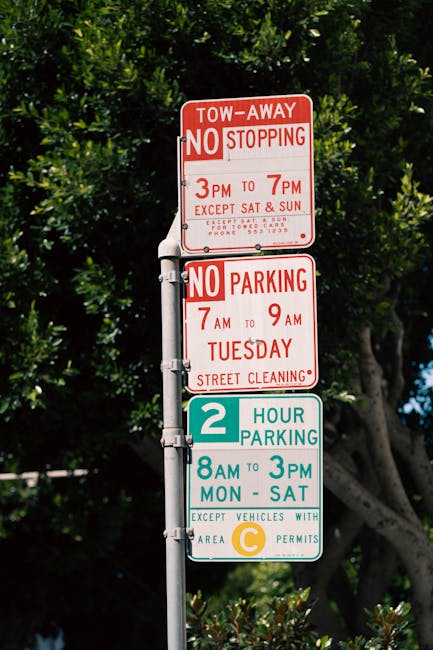
The basic idea is simple. A skip is a large container for waste, usually delivered to your address and collected later. If the skip is placed on private land, such as a driveway or private forecourt, you may not need a permit. If it goes on a public road, pavement, or other highway area, a permit is usually required by the local authority.
In practice, Frognal residents need to think about three things:
- Where the skip will sit - private property or public highway.
- How much space is available - especially on narrower streets and shared access points.
- What type of waste you are removing - general rubbish, bulky furniture, construction debris, or mixed household waste.
That may sound neat on paper, but the real world is a bit messier. Some Frognal homes have driveway access, some sit on roads where a parked skip would be awkward, and some properties involve gates, steps, or limited turning space. If your address has a tricky approach, the issue may be less about the skip itself and more about whether a lorry can safely deliver and collect it. If that sounds familiar, the guide on locked gates and narrow drives in Frognal may feel uncomfortably relatable.
There is also the question of timing. Skip permits are not something to leave until the evening before delivery. Local approvals can take time, and if your project is tied to a moving date, timing becomes critical. By contrast, a removal team or man-and-van service can often work around access constraints more flexibly, especially for same-day loading and immediate transport. That is one reason many people compare skip hire with a removal service before they commit.
To be fair, not every project needs a skip at all. If you are removing a piano, a bed, or several pieces of furniture, a dedicated removal approach may be safer and cleaner. The weight and awkward shape of those items matter more than the volume of waste. That is discussed well in why moving a piano is more than strength alone and practical bed and mattress moving tips.
Key Benefits and Practical Advantages
When the decision is made properly, using a skip or arranging the right permit can make a project much calmer. The benefits are not just about waste disposal. They also affect schedule, safety, and how tidy your property feels during the process.
- Cleaner workflow: waste stays in one place, rather than spreading through the hallway or pavement.
- Better safety: fewer loose items lying around, which matters on stairs, front paths, and shared entrances.
- Less back-and-forth: you avoid countless car trips to a tip or repeated loading of small bags.
- More control: you can sort items as you go, especially if you are deciding between reuse, recycling, or disposal.
- Reduced disruption: the right setup can keep neighbours happier and the street less cluttered.
There is a commercial angle too. If you are comparing skip hire against a removal service, you are not just comparing cost. You are comparing labour, speed, and what happens to the items afterwards. A skip is useful for waste. A removal service is useful for moving items out safely, especially if you care about furniture protection, stairs, tight corners, or fragile loads. For mixed jobs, that distinction is crucial.
Many people also underestimate how much decluttering helps. If you reduce the volume before the move, you may need a smaller skip, fewer collections, or no skip at all. A good starting point is the guide on creative packing for a hassle-free move, because better packing often means less waste and fewer frantic last-minute decisions. Simple, but effective.
Who This Is For and When It Makes Sense
This is mainly for anyone in Frognal who is planning to dispose of a meaningful amount of waste or move items that will not fit neatly in a normal bin. That includes homeowners, tenants, landlords, students, and local businesses. It is also relevant if you are dealing with a flat clearance, a garden project, a refurbishment, or an office refresh.
Here are the most common scenarios where people start asking about skips and permits:
- House moves: old furniture, packaging, and unwanted household clutter.
- Flat moves: tight stairwells, lift restrictions, and building rules.
- Student moves: quick turnarounds, boxed items, and low-cost disposal choices.
- Office moves: desks, chairs, filing, cables, and fit-out waste.
- Renovations: plaster, timber, tiles, and general construction debris.
Sometimes a skip is ideal. Sometimes it is a bit overkill. If you only need to move furniture, you may get better value from a dedicated removal service or a man and van option. If the job is a small load and you need speed, you may want to consider same-day removals in Frognal rather than waiting around for a container to arrive and a permit to be sorted.
And if you are dealing with bulky items like sofas, mattresses, or specialist pieces, the issue becomes handling rather than just disposal. That is where a service such as furniture removals in Frognal or flat removals in Frognal may be the cleaner solution. To be honest, the right answer often depends on what is actually on the floor in front of you, not what sounds cheapest at first glance.
Step-by-Step Guidance
Here is a practical way to work through the decision without making it complicated.
- List what needs to go. Separate furniture, recyclable items, general rubbish, and anything reusable.
- Estimate volume. If the pile is bulky but organised, a skip may fit the job. If it is mostly furniture or awkward items, removal support may be better.
- Check where the skip would sit. Private drive, front garden, or public road? This is the key permit question.
- Think about access. Can a vehicle deliver and collect safely without blocking neighbours or causing damage?
- Decide whether the waste is mixed or specialist. Certain items need more care, especially fragile goods or heavy loads.
- Plan the timing. Match collection and disposal with your move date or project deadline.
- Choose the most efficient option. Skip, permit, removal service, or a combination.
A practical tip from real-life move days: write the plan down. A phone note is enough. When you are juggling keys, boxes, tea, and someone asking where the lamp went, having a simple plan prevents the usual scramble. It sounds almost too basic, but it works.
If you are moving several heavy items and considering whether you can shift them yourself, read how to hoist heavy items safely and kinetic lifting basics. These are exactly the sort of things that prevent a "we'll just lift it quickly" moment from becoming a week of regret.
Expert Tips for Better Results
If you want the process to be smooth rather than merely possible, a few small decisions make a big difference.
- Reduce before you dispose: decluttering first almost always improves the outcome.
- Separate reusable items early: do not bury good furniture under mixed waste.
- Protect your home: use floor coverings, corner protection, and sensible loading paths.
- Keep the front area clear: it helps both the skip delivery and any removal vehicle.
- Watch the weather: wet cardboard, muddy access, and slippery steps can turn a tidy plan into a bit of a mess.
Another overlooked tip is to match the service to the item. A skip is fine for waste, but not ideal for items that could be reused, sold, or stored. If you need temporary space while sorting a move or renovation, storage in Frognal can be a better holding pattern than dumping everything straight into a skip. It is not glamorous, but it gives you breathing room.
And if the items are especially valuable or awkward - think pianos, large wardrobes, or specialist furniture - it is worth reading the relevant guidance first. The local move is often won in the planning stage, not on lifting day. That is the boring truth. Also the useful one.
Common Mistakes to Avoid
People tend to make the same handful of errors here, and most of them are preventable.
- Assuming a skip can go anywhere: road placement usually changes the permit question.
- Leaving permit planning too late: if your schedule is tight, delays become expensive quickly.
- Choosing the wrong disposal method: furniture, rubble, and general waste are not all the same thing.
- Underestimating access issues: narrow streets and awkward entrances can affect delivery more than expected.
- Filling the skip badly: uneven loading wastes space and can create collection problems.
- Mixing recyclable and non-recyclable waste unnecessarily: this can make sorting harder later on.
One subtle mistake is trying to do everything in one rush. That often leads to lifted items being damaged, boxes torn open, and rubbish scattered into multiple corners. If you have ever stood in a hallway at 8:15 in the morning wondering why the tape dispenser has vanished, you will know the feeling. There is a reason organised moves feel calmer.
If your project includes cleaning after the clearance, the article on move-out cleaning is worth a look too. Disposal and cleaning are different jobs, but they tend to land on the same tired shoulders.
Tools, Resources and Recommendations
You do not need a huge toolkit to get this right. What you need is clarity, a few basic materials, and the right service choice.
Useful items to have on hand:
- Strong tape and marker pens for labelling
- Heavy-duty sacks or boxes for sorted waste
- Gloves and sturdy footwear
- Protective blankets or covers for furniture
- Basic measuring tape for checking access and item size
Helpful planning resources on this site include:
- Camden council permit guidance for Frognal removals
- Frognal removals and Camden waste rules
- NW3 flat move access and stair tips
- local removals routes around Frognal
For many people, the smartest move is not a skip at all, but a combination of careful packing, controlled loading, and the right removals support. If you need boxes and materials, packing and boxes in Frognal can help keep the process neat from the start. That kind of preparation makes every later decision easier.
Law, Compliance, Standards, or Best Practice
In London, the compliance side of skip use is mostly about where the skip is placed, what it contains, and whether it creates an obstruction or hazard. Local authority rules, road conditions, and waste handling expectations all matter. The safest approach is to treat skip placement as a controlled part of the job, not an afterthought.
Good practice usually includes the following:
- Check whether the skip will sit on private land or a public road.
- Allow time for permit arrangements where needed.
- Make sure the container does not block access, sight lines, or emergency passage.
- Keep waste within the skip's intended use and weight limits.
- Separate hazardous or restricted materials from ordinary household waste.
For moving jobs, best practice also means protecting people and property. That is where proper handling, vehicle access planning, and insurance-aware working really matter. If you want a clear overview of those safety expectations, the page on health and safety policy and the guidance on insurance and safety are helpful references within the site.
There is also a waste responsibility angle. Reusing, recycling, and disposing carefully are generally better practice than sending everything to landfill. If sustainability matters to you - and increasingly, it does - you may prefer a removal approach that sorts items responsibly rather than simply filling a skip with mixed waste. That is especially relevant if your clear-out includes good furniture or reusable household items.
Options, Methods, or Comparison Table
Here is a straightforward comparison of the main options people consider in Frognal.
| Option | Best for | Permit needed? | Main advantage | Main drawback |
|---|---|---|---|---|
| Skip on private land | Clear-outs with enough driveway or forecourt space | Usually not | Convenient and contained | Needs enough private space |
| Skip on the public road | Larger waste jobs where access is limited | Usually yes | Allows disposal where space is tight | Requires planning and timing |
| Removal service | Furniture, bulky items, and moving loads | No skip permit, but access still matters | Items are lifted and taken away for you | Not designed for loose waste only |
| Storage first, disposal later | Uncertain moves or staged decluttering | No | Buys time to decide | Temporary storage cost |
In many Frognal moves, the best answer is not one option alone. It is often a mix: pack what is staying, store what you are unsure about, remove what is reusable, and dispose of only the true waste. That balanced approach saves money and avoids the "we skipped a skip but now need three carloads" problem, which is a bit of a nightmare, frankly.
Case Study or Real-World Example
A typical Frognal scenario goes like this. A resident is moving out of a first-floor flat and clearing years of accumulated furniture, packaging, and a few broken items from storage. At first, they think a skip will solve everything. Then they realise there is no private driveway, the road is narrow, and the building has limited loading space. The skip would need to sit on the street, which means permit timing becomes part of the plan.
Instead of rushing, they split the job into three parts. The reusable furniture is set aside for collection, the boxed household waste is sorted carefully, and the bulky pieces are moved through a planned removal service. A few items are placed in storage because they are not ready to be discarded. The end result is tidier, cheaper than a badly planned skip-only approach, and less stressful for the building as a whole.
That is the real lesson here. The best solution is usually the one that fits the street, the building, and the timeline, not just the one that sounds quickest. On a calm morning, it might seem obvious. At 6 p.m. the day before handover, it suddenly does not.
If your move includes specific tricky items, the site guides on piano removals in Frognal and downsizing on Frognal estate can help you think more clearly about what to keep, move, store, or dispose of.
Practical Checklist
Use this before you book anything.
- Have I listed every item that needs to go?
- Can the waste be reduced by donating, selling, or storing some pieces first?
- Will the skip, if needed, sit on private land or the public road?
- Do I need time for a permit or other access arrangement?
- Is the street narrow, busy, or difficult for delivery vehicles?
- Am I dealing with furniture, general waste, or construction debris?
- Would a removal team be safer for the heavier or more valuable items?
- Have I arranged boxes, tape, covers, and any protective materials?
- Do I know my move or project deadline clearly?
- Have I checked whether recycling or storage would be smarter than disposal?
If you can tick most of those off, you are in good shape. If not, pause. It is always cheaper to plan for twenty minutes than to improvise for three hours.
Conclusion
So, do you need a skip or permit in Frognal? Often, yes if the skip sits on the public highway; sometimes no if it stays on private land; and occasionally neither, if a removal service or storage-first approach fits the job better. That is the honest answer. Frognal is not the kind of place where you can guess your way through access and waste rules and hope for the best.
The safest route is to look at the type of waste, the street access, the property layout, and your timing. Once you do that, the right solution usually becomes obvious. And when it is not obvious, that is exactly when a calm, local, practical plan matters most.
Use the checklist, compare the options, and choose the route that keeps your move simple rather than heavy-handed. A little planning now saves a lot of lifting later.
Get a free quote today and see how much you can save.
And if all you take from this guide is one thing, let it be this: in Frognal, the best move is the one that fits the street as well as the schedule.
![A large rectangular yellow road sign with a metal frame, displaying the words 'Questions Answers' in bold black text. The sign is positioned outdoors against a cloudy sky, mounted on a pole. In the background, faint outlines of buildings and trees are visible, indicating an urban or semi-urban environment. The sign's purpose is to direct viewers toward informational content, which may relate to items such as house removals, relocation services, or moving guidelines, supporting the context of home and furniture transport. This image is associated with [DOMAIN], referencing the page titled 'Do I Need a Skip or Permit in Frognal? Local Rules Answered,' and is relevant to logistical considerations involved in local house removals performed by companies like [COMPANY_NAME].](/pub/blogphoto/do-i-need-a-skip-or-permit-in-frognal-local-rules-answered3.jpg)