Finchley Road NW3 man with van tips for narrow access
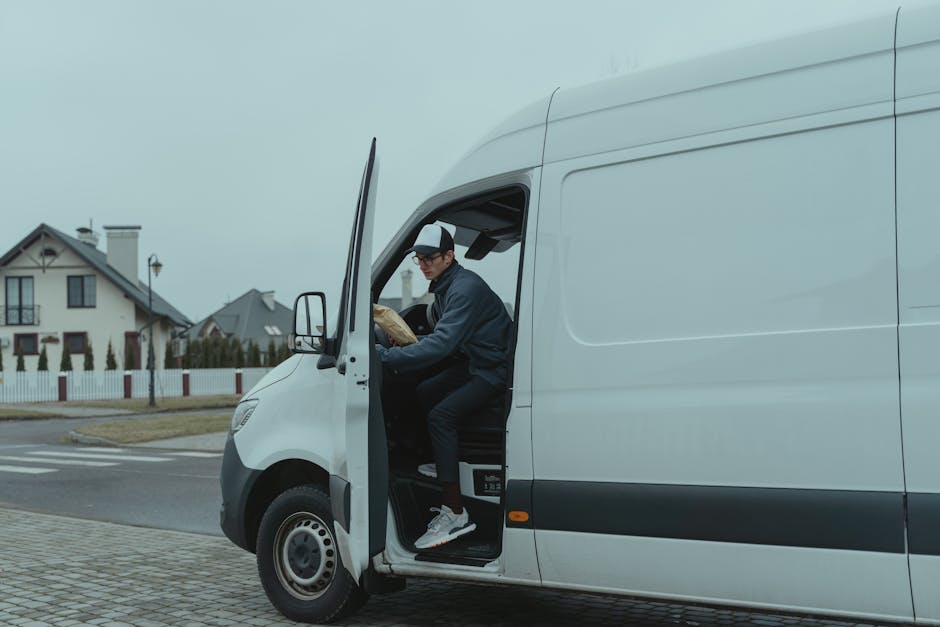
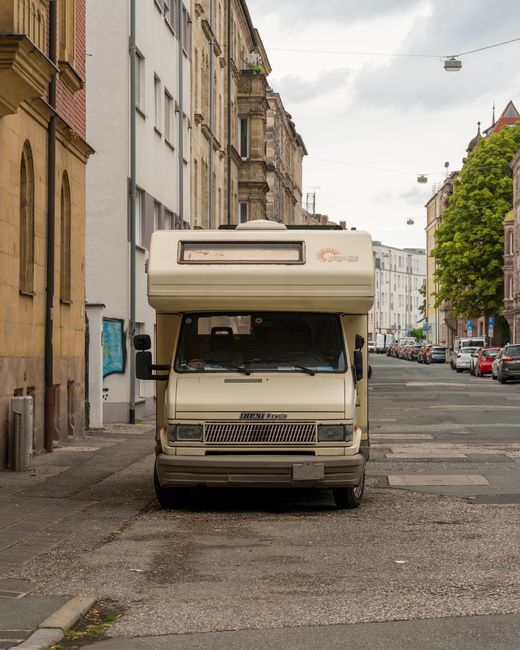
If you are trying to organise a move on Finchley Road in NW3, the main problem is often not the distance at all. It is the access. Tight drives, narrow mews entrances, awkward stairwells, residents' permits, parked cars, low branches, awkward turning circles... the sort of details that can turn a simple man with van job into a proper headache. The good news? With the right Finchley Road NW3 man with van tips for narrow access, you can usually make the whole thing calmer, safer, and a lot more efficient.
This guide breaks down what narrow access really means in practice, how to plan for it, what a good removal team will look for, and where people usually trip up. Whether you are moving a flat, shifting furniture, or arranging a small local job, the aim here is simple: help you avoid stress and wasted time. Let's get into it.
- Why narrow access matters
- How a man with van move works in tight spaces
- Key benefits and practical advantages
- Who this is for and when it makes sense
- Step-by-step guidance
- Expert tips for better results
- Common mistakes to avoid
- Tools, resources and recommendations
- Law, compliance, standards and best practice
- Options, methods and comparison table
- Case study or real-world example
- Practical checklist
- Conclusion
- Frequently asked questions
Why Finchley Road NW3 man with van tips for narrow access Matters
Finchley Road and the wider NW3 area are full of properties where access is not straightforward. You get mansion blocks with limited loading space, side streets with tight bends, townhouses with steep steps, and older buildings where the front door seems designed by someone who never moved a sofa in their life. To be fair, that is exactly why a man with van service can be such a useful option: it is flexible enough for smaller loads, but only if the access plan is realistic.
Narrow access matters because it affects almost every part of the job. Parking distance changes the carrying time. Tight hallways affect what can be moved in one piece. Busy roads affect loading speed. Even a single low wall or bollard can change the whole approach. If you ignore those details, the result is usually delay, extra labour, extra risk, or all three. And nobody wants that on moving day when the kettle is already packed away.
There is also a trust element here. A good local mover will ask sensible questions before arriving: where is the parking, how wide is the path, are there stairs, can the van get close, is there a lift, is there a gate code, can the item be dismantled? Those questions are not fuss for the sake of it. They are the difference between a tidy job and a rushed one.
Expert summary: if you are moving in NW3 and access is tight, success comes from planning the route, measuring the problem points, and telling the van crew the awkward details early. That sounds basic, but honestly, it saves more trouble than any fancy moving trick ever could.
How Finchley Road NW3 man with van tips for narrow access Works
A man with van move is usually built around flexibility. One person, two people, or a small crew arrive with a van sized for practical local moves rather than a full lorry. For narrow access, that flexibility is the whole point. You do not want a vehicle so large that it cannot turn into the street, nor do you want a team that turns up without a plan for steps, gates, or carrying distance.
In simple terms, the process looks like this:
- Pre-move assessment - you explain the access conditions in plain language, and ideally share photos or measurements.
- Vehicle choice - the right size van is selected for the road, parking space, and load size.
- Loading plan - items are grouped so that the most awkward pieces are loaded first or last, depending on the layout.
- On-site handling - the crew decides whether items can be carried straight out, need to be dismantled, or require extra care around corners and stairs.
- Efficient unloading - the same logic applies at the destination, which matters just as much as the pickup address.
The best narrow-access jobs are the ones where no one is guessing. If the crew knows the entry point is a narrow side gate, they can bring moving blankets, trolleys, straps, and the right packing protection. If they know parking is a short walk away, they can set expectations properly. Simple, but it makes a huge difference.
It also helps to remember that "narrow access" does not always mean "difficult access." Sometimes it just means careful access. A flat on a busy road can still be manageable if the timing is right and the loading point is chosen well. Early mornings tend to be calmer, though that depends on the street and local traffic patterns. You will notice the difference straight away, especially when the road is half asleep and the engines are not fighting with rush-hour noise.
Key Benefits and Practical Advantages
There are some very clear reasons people choose a man with van service for narrow access jobs in NW3 instead of a larger removal vehicle. The biggest one is control. You can usually be more precise about timing, vehicle size, and how the load is handled. That matters when there is not much room to manoeuvre.
- Better access matching: smaller vehicles are often easier to position on residential streets and tighter roads.
- Less disruption: a quicker load can mean less impact on neighbours, pedestrians, and traffic.
- More suitable for partial moves: ideal if you are moving a few rooms, a single item, or overflow belongings.
- More adaptable labour: crews can adjust on site if the route turns out to be tighter than expected.
- Lower risk of wasted effort: if the right plan is in place, items are less likely to be carried twice or repacked unnecessarily.
There is a less obvious benefit too: peace of mind. Narrow access tends to create uncertainty, and uncertainty creates stress. Knowing that the mover understands local access quirks can take a lot of pressure off your shoulders. It is one of those things you only really appreciate when you have been through a bad move before.
For many people, the practical win is not about speed alone. It is about keeping the job tidy, protecting walls and doorframes, and avoiding that awkward moment when the sofa is halfway through the hallway and everyone goes quiet. If you have ever been there, you know exactly what I mean.
Who This Is For and When It Makes Sense
This kind of move is especially useful for people in NW3 who are dealing with restricted access rather than a full-scale household relocation. That could be a tenant moving out of a top-floor flat, a homeowner shifting furniture into storage, or someone buying a bulky item that has to come through a tight entrance. It is also a good fit for people who do not need a full removals truck but still want a professional hand.
Typical scenarios include:
- flat moves where stairs or communal hallways are tight
- period properties with narrow front paths or internal turns
- mews homes and side entrances with limited vehicle access
- furniture pick-ups where the item is large but the job is small
- student or studio moves where speed and access matter more than volume
- commercial or office deliveries into compact premises
If your access is straightforward, a standard van may be enough. But if you are already saying things like "the van can't park outside" or "the stairs are a bit of a squeeze," you are probably in the right territory for this kind of service. Truth be told, that is exactly the moment to start planning properly, not after the van is already outside and the driver is trying to reverse into a space that barely exists.
Some readers ask whether they need a removal company instead. Sometimes yes, especially if the move is large or the access is so restricted that a bigger crew is needed. But for many smaller local jobs, a man with van option is more practical and less wasteful. If you want to understand the broader service picture, take a look at the site's removal services and man with van pages for context.
Step-by-Step Guidance
If you want narrow access to go smoothly, work through the move in stages. This is the part where a little organisation pays for itself. Not glamorous, but effective.
1. Measure the tricky points
Measure doorways, hall widths, stair turns, gate openings, and any tight corners. If there is a lift, check whether large items will fit inside once they are wrapped. Measuring sounds obvious, but people often only measure the item and forget the route. That is the trap.
2. Take a few clear photos
Send pictures of the access route, parking area, front door, and any stairs or loading points. A photo of the actual problem is worth far more than a vague description. Even a quick phone snapshot in daylight can help the crew judge whether a trolley, extra padding, or a different vehicle is needed.
3. Explain parking honestly
Say whether the van can stop outside, needs a permit, or will have to park some distance away. If there is resident-only parking or loading restrictions, mention it early. Do not assume the driver will simply "sort it out" on arrival. They might, but it is much better when it has been planned.
4. Separate awkward items
List anything heavy, fragile, unusually long, or difficult to carry. Wardrobes, mattresses, glass tables, exercise bikes, and big sofas often need a bit more thought. Sometimes dismantling helps. Sometimes it does not. The point is to know in advance.
5. Prepare the route inside the property
Move small items out of the path, protect flooring if needed, and make sure hallways are clear. A clean route speeds things up and lowers the chance of scuffs. In a narrow house, even one shoe box in the wrong place can become a surprise obstacle.
6. Confirm the order of loading
Ask how the van should be loaded. For narrow access jobs, the most awkward pieces are often handled first, while space is still open and the team is fresh. That said, every property is different, so this is one of those situations where flexibility beats assumptions.
7. Keep a backup plan
What happens if the parking space disappears? Or the lift stops working? Or a neighbour has parked awkwardly across the entrance? A backup plan might mean holding the move by 15 minutes, arranging a second carrying point, or deciding to use a smaller vehicle. It is not pessimistic. It is practical.
Expert Tips for Better Results
In our experience, narrow access jobs go best when people focus on the little things that usually get missed. Here are the tips that genuinely help, not the glossy brochure version.
- Give the mover the worst-case version first. If access might be tight, say it is tight. If parking is uncertain, say that too. It is easier to have a pleasant surprise than a nasty one.
- Use simple language. "Three steps, sharp left, narrow gate, then a short walkway" is more useful than a long explanation that avoids the hard part.
- Plan for protection. Doorframe guards, blankets, and proper lifting straps can make awkward spaces much easier to manage.
- Choose the right time of day. Earlier slots can work better for busy streets, especially if traffic and parking are less painful before the school run or commute builds up.
- Think in carry distance, not just miles. A two-mile local move can still be a big job if every item has to travel from a distant parking spot.
- Be realistic about what fits. If a wardrobe barely clears the stairwell, forcing it is often slower than dismantling it.
A small but useful trick: if you are unsure whether a sofa, fridge, or bed base will fit, compare the item dimensions with the narrowest part of the route, not the widest. People often make the mistake of measuring the front door and forgetting the bend in the hall. That bend, annoyingly, is usually the real problem.
And yes, sometimes the best expert tip is simply to slow down for five minutes before loading starts. A short pause can save a scratched wall, a strained back, or a very awkward conversation with a neighbour who has just come out in slippers. Not fun.
Common Mistakes to Avoid
Most narrow-access problems are not dramatic. They are small planning mistakes that stack up. The good news is that they are avoidable once you know what to watch for.
- Assuming the van can park right outside. That is often the first thing that goes wrong.
- Forgetting communal access rules. Flats, blocks, and managed buildings may have their own loading arrangements.
- Underestimating the item size after wrapping. Blankets, tape, and protective covers add bulk.
- Ignoring stair landings and corners. These can matter more than the front door itself.
- Not warning about fragile items. Fragile pieces need different handling and sometimes different packing.
- Leaving all packing to the last minute. That is how stress creeps in.
Another common issue is not being honest about time. Narrow access jobs usually take longer than a straightforward curbside load, especially if there are stairs or a long carry. That does not mean the move is a problem. It just means the estimate should reflect reality. Better to be clear from the start than feel rushed halfway through.
And let's face it, when people rush awkward moves, things get wobbly. Literally.
Tools, Resources and Recommendations
You do not need a toolbox full of specialist gear for every small move, but the right basic kit makes narrow access jobs much easier. A capable mover will normally bring their own equipment, though it is still useful to know what helps.
| Tool or item | Why it helps | Best used for |
|---|---|---|
| Moving blankets | Protects walls, doors, furniture edges, and floors | Hallways, stairwells, and awkward corners |
| Straps | Improves control and balance when carrying heavy items | Sofas, wardrobes, appliances |
| Dolly or trolley | Reduces carrying strain over short, level distances | Boxes, stacked items, heavier loads |
| Door protectors | Helps avoid scuffs on tight openings | Narrow entrances and shared property routes |
| Allen keys and basic tools | Useful for quick dismantling | Beds, tables, and flat-pack furniture |
| Labels and tape | Keeps the move organised when access is limited | Room-by-room sorting and quick unloading |
If you are comparing local service options, it can help to look at pages such as pricing and quotes, insurance and safety, and health and safety policy. Those details matter more than people realise, especially when access is tight and the chance of an accidental knock is higher than usual.
For bigger jobs, you may also want to compare a smaller van move with a broader removal van setup or even a more complete home moves service. The right choice depends on the load, not on the label.
Law, Compliance, Standards, or Best Practice
For most people, the compliance side of a narrow-access move is fairly straightforward, but it should not be ignored. If a van needs to stop in a controlled area, on a restricted street, or in a space governed by local parking rules, the mover and customer should both be aware of the practical limits before the job starts. In NW3, as in much of London, parking and loading conditions can be the make-or-break detail.
There are also basic safety expectations that are simply good practice. Items should be carried in a way that avoids injury. Routes should be kept clear where possible. Heavy loads should not be forced through spaces that are too small. If the job involves shared access, common courtesy goes a long way too. A tidy, respectful approach is not just nice; it prevents problems.
For businesses or landlords arranging access-sensitive moves, it is sensible to keep communication clear, confirm any building rules in advance, and make sure responsibility for permits or loading permissions is understood before the day itself. That avoids the classic "I thought you were handling that" situation. We have all seen that one.
There are also business standards to think about. A trustworthy mover should be transparent about service terms, payment handling, and complaint procedures. If you are vetting a provider, it is reasonable to review pages like terms and conditions, payment and security, and complaints procedure. Not because you expect trouble, but because a professional operator should make those details easy to understand.
Best practice, in plain English, is this: keep the move safe, legal, and predictable. That is the baseline. Everything else sits on top of it.
Options, Methods, or Comparison Table
Not every narrow-access job needs the same approach. Sometimes a simple one-person collection works. Sometimes you need a second pair of hands. Sometimes a larger, more cautious setup is the smarter choice. Here is a practical comparison.
| Approach | Best for | Strengths | Limits |
|---|---|---|---|
| Single-item man with van | Furniture pick-ups, small loads, local deliveries | Flexible, quick, cost-efficient | Less suitable for multiple bulky items or very awkward stairs |
| Two-person man with van | Flat moves, heavier items, narrow hallways | Better lifting support and control | Usually costs more than a solo job |
| Full removals team | Larger homes, more furniture, complex moves | More manpower, broader support, faster handling | Can be overkill for small NW3 moves |
| Dismantle-and-move approach | Large items in tight stairwells or doorways | Often the safest way to manage difficult access | Requires tools and a little extra time |
The right choice depends on what the access actually looks like. A mews property with a narrow gate might be perfect for a compact van and careful loading. A top-floor flat with a long stair run might be better handled by two people. A move that seems tiny on paper can still need more muscle if the route is unforgiving.
If you are still unsure, it can help to compare a specific local move with broader move support pages such as man and van removals and removals near me. The aim is not to upsell yourself into the wrong service. It is to match the service to the real access conditions.
Case Study or Real-World Example
Here is a realistic example. A couple in NW3 needed to move a few rooms' worth of belongings from a second-floor flat near Finchley Road. The building entrance was narrow, the pavement was busy in the afternoon, and the van could not realistically park directly outside for long. Nothing dramatic, just one of those classic London access jobs where everything depends on planning.
Before the move, they sent photos of the hallway, the stairwell, and the front access point. They also listed the largest items: a bed frame, a chest of drawers, two bookshelves, and a sofa that looked manageable until you remembered the stair corner. The mover recommended dismantling the bed frame and shelves in advance. They also suggested an early slot, which turned out to be a smart call because traffic was lighter and the street was less congested.
On the day, the team parked a little further away than ideal, but that had already been factored in. The route inside the property was cleared, protective blankets were used at the doorway, and the awkward sofa was carried last rather than first. The job took longer than a simple curbside collection would have, of course, but it was calm, tidy, and nothing got scraped. The couple later said the best part was not the speed. It was the fact that they knew what to expect.
That is the real lesson. Narrow access does not have to become a crisis. Most of the stress comes from surprise, not the access itself.
Practical Checklist
Use this checklist before the van arrives. It is short, but it covers the stuff people tend to forget when they are busy packing boxes at the eleventh hour.
- Measure the narrowest doorway, stair turn, gate, or corridor.
- Take photos of the access route and parking area.
- Tell the mover about any steps, lifts, or sharp bends.
- Confirm whether parking or loading is restricted.
- Identify items that need dismantling.
- Wrap fragile or awkward items properly.
- Clear the walking route inside the property.
- Keep keys, gate codes, and contact details handy.
- Ask about the van size and lifting equipment.
- Build in a little extra time for tight access.
Quick takeaway: if the move depends on a narrow entrance or limited parking, do not leave the access check until the day itself. A five-minute look at the route now can save a very long afternoon later.
Get a free quote today and see how much you can save.
Conclusion
Finchley Road NW3 man with van tips for narrow access are really about one thing: removing avoidable friction. When the road is tight, the stairs are awkward, or the parking is limited, success comes from clear information, sensible preparation, and a mover who understands small-space logistics. No drama, no guesswork, no last-minute panic.
If you plan the route, measure properly, share photos, and choose the right level of support, even a tricky local move can feel manageable. And that matters. Because moving day is stressful enough without wrestling with a hallway that seems to shrink by the minute.
Take the time to prepare it well, and the whole job has a better chance of feeling steady, safe, and surprisingly straightforward. That's the goal, really.
Frequently Asked Questions
What does narrow access mean for a man with van move in NW3?
Narrow access usually means the van, the property entrance, or the internal route has limited space to manoeuvre. It can involve tight streets, small gates, short parking windows, stairs, or awkward turns inside the building.
How do I know if my Finchley Road property has narrow access?
If a standard van cannot park close by, if large items need to pass through tight hallways, or if there are stairs and sharp corners, you probably have narrow access. Taking a few photos and measuring the tightest points is the safest way to check.
Should I tell the mover about parking problems in advance?
Yes, absolutely. Parking affects the whole job. If the van needs a permit, has to park a little way off, or can only stop briefly, that should be made clear before moving day.
Is a man with van service enough for a flat move with narrow stairs?
Often, yes, if the load is small to medium and the mover knows what to expect. For heavier or bulkier furniture, a two-person crew may be the better choice.
What items are most difficult in narrow access moves?
Large sofas, wardrobes, bed frames, mattresses, and glass or fragile furniture are often the hardest items to handle. Anything long, heavy, or awkwardly shaped deserves extra attention.
Can furniture be dismantled to make access easier?
Yes, and in many cases it helps a lot. Beds, shelving, and some tables are much easier to move once taken apart. The trade-off is a little extra preparation time.
How much extra time should I allow for narrow access?
There is no single rule because every property is different. A short carry from the van is faster than a long stair haul, so it is sensible to allow more time than you would for a straightforward curbside move.
What should I send a mover before the job?
Clear photos, basic measurements, parking notes, and a list of awkward or fragile items are very helpful. The more accurate the information, the better the moving plan will be.
Do narrow access moves usually cost more?
They can, because they may take longer and need more care or more labour. The exact cost depends on the route, load, timing, and whether the job needs extra handling or dismantling.
What if the van cannot park right outside?
That is common in London and not a deal-breaker. The mover can usually work with a short carry distance if it has been planned properly. The key is to mention it early so expectations stay realistic.
Are there safety concerns with tight hallways and stairs?
Yes. Tight spaces increase the risk of knocks, slips, and strain injuries. Good lifting practice, protective materials, and a clear route all help reduce those risks.
When should I choose a full removals team instead of a man with van?
If the move is large, the furniture is heavy, or the access is so awkward that more hands are needed, a fuller removals service may be more suitable. For smaller local jobs, a man with van can be the more practical option.