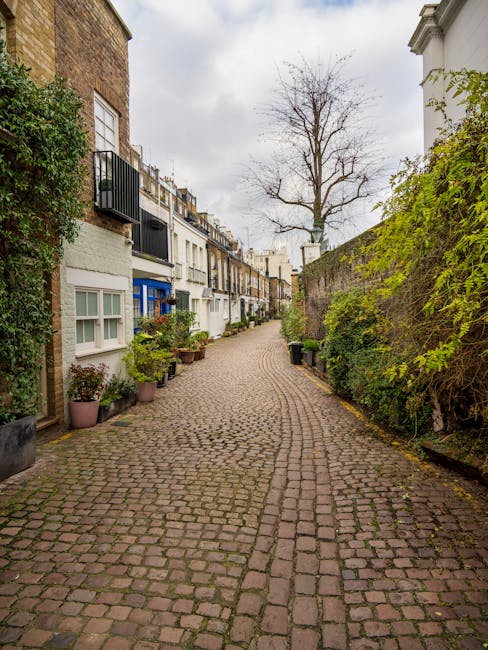
Frognal Estate Removals Guide for Townhouses and Mews
Moving in Frognal Estate is rarely a simple A-to-B job. Townhouses, mews homes, narrow lanes, awkward parking, and those lovely-but-fiddly period layouts can turn a basic house move into a bit of a puzzle. This Frognal Estate removals guide for townhouses and mews is here to help you plan the move properly, avoid the common headaches, and make sense of what actually matters on the day. Whether you are shifting a compact mews property or a larger townhouse with multiple flights of stairs, the right preparation makes a huge difference.
In practical terms, the move usually comes down to three things: access, timing, and protection. Get those right, and the rest feels much calmer. Get them wrong, and suddenly you are squeezing wardrobes through hallways that were never designed for wardrobes. Not ideal.
If you want the wider picture of move planning and service options, you may also find our pages on home moves and house removals useful alongside this guide.
Table of Contents
- Why Frognal Estate removals guide for townhouses and mews Matters
- How Frognal Estate removals guide for townhouses and mews Works
- Key Benefits and Practical Advantages
- Who This Is For and When It Makes Sense
- Step-by-Step Guidance
- Expert Tips for Better Results
- Common Mistakes to Avoid
- Tools, Resources and Recommendations
- Law, Compliance, Standards, or Best Practice
- Options, Methods, or Comparison Table
- Case Study or Real-World Example
- Practical Checklist
- Conclusion
- Frequently Asked Questions
Why Frognal Estate removals guide for townhouses and mews Matters
Townhouses and mews properties in Frognal Estate tend to share a few moving-day traits: limited frontage, tight staircases, close neighbours, and less forgiving parking than you might hope for. That means a standard "turn up with a van and get it done" approach can be a bit too optimistic. Truth be told, optimism is lovely; logistics are better.
This matters because the wrong setup can waste time before a single box is lifted. A van that is too large may struggle to stop safely. A team that has not checked the route may discover a narrow entrance, low branch, or awkward shared access at the worst possible moment. And in a townhouse, one difficult item can slow the whole chain of loading.
For mews homes, the challenge is often different but just as real. You may have less room to stage furniture, fewer places to park, and neighbours close enough to hear every scrape if a sofa is moved without proper protection. That is why a dedicated removals plan is not overkill. It is the sensible bit.
Expert summary: The best Frognal Estate move plans are built around access, not just volume. If the route is tight, the loading strategy should be tight too.
When people search for local help, they are usually not just looking for a van. They want a move that feels controlled, quiet, and respectful of the property. If that sounds familiar, pages like man with van, man and van, and removal services can help frame the practical options available.
How Frognal Estate removals guide for townhouses and mews Works
A successful townhouse or mews move usually follows a fairly clear rhythm. First comes the survey or pre-move assessment, then access planning, then packing, then loading, then the actual transport and unload. Simple on paper. Less simple when you are dealing with a stairwell that turns sharply halfway up or a mews entrance that barely fits a hatchback, let alone a larger vehicle.
Start by mapping the move properly. Ask yourself: where will the vehicle stop, how far is the carry distance, are there steps at either end, and which items are awkward or fragile? A good mover will care about these details because they affect the labour, timing, and vehicle choice. If you are comparing options, it is sensible to look at removal company and removal companies pages to understand the service style that suits your home.
For townhouse moves, the team often works room by room to avoid congestion on stairs. For mews properties, the priority may be keeping a clean route through tight external access and protecting communal surfaces. In both cases, the move feels smoother when bulky items are prepared first and small loose items are boxed before the van arrives. Otherwise, the whole place starts to look like a cardboard avalanche. Nobody enjoys that.
If your move includes furniture that needs dismantling, careful wrapping, or specialist handling, you may need a more hands-on approach than a standard single-item lift. In that case, services such as packing and unpacking services or house movers can be especially helpful.
Key Benefits and Practical Advantages
The main benefit of a tailored Frognal Estate removals plan is fewer surprises. That sounds almost too obvious, but it is exactly what makes the difference between a fraught move and a manageable one. When your move is designed around the property rather than forcing the property to fit the move, everything tends to run better.
- Less risk of damage: Hallways, banisters, door frames, and original flooring all benefit from proper protection.
- Better time control: If access is planned in advance, loading is quicker and unloading is less chaotic.
- Fewer neighbour issues: Quiet handling and sensible vehicle positioning reduce friction in close-knit streets.
- More efficient use of labour: The right team size and van size keep the job moving without wasted effort.
- Safer lifting: Stairs, corners, and narrow doorways need controlled handling, not rushed carrying.
There is also a psychological benefit, which people underestimate. A move feels smaller when you know the plan. You are no longer staring at a house full of belongings wondering where to begin. You know which items go first, which vehicle is coming, and what needs to be protected. That clarity calms everyone down a little.
For larger or more complicated homes, you may also want to consider house removalists or house removals for a more structured service. And if the job is smaller, lighter, or more flexible, a man with a van arrangement can be a practical fit.
Who This Is For and When It Makes Sense
This guide is for anyone moving in or out of a townhouse or mews property where access is not straightforward. That includes owner-occupiers, landlords arranging a changeover, tenants moving between local properties, and families upgrading from a compact home into something with more space, or trying to downsize without losing their minds.
It also makes sense if you have any of the following:
- a narrow staircase or awkward corner turns
- a limited parking window outside the property
- a shared entrance or communal access route
- valuable furniture that needs careful wrapping
- heavy items such as wardrobes, sofas, or appliances
- a tight moving day schedule with handover times to meet
There is a subtle but important difference between a move that is "possible" and one that is "well managed." The first can happen with sheer effort. The second depends on preparation. If you are planning around a specific date, it is worth getting a quote early through pricing and quotes so you can compare your options without rushing at the last minute.
And yes, even a small mews property can be surprisingly tricky. Small does not always mean easy. Sometimes it means more delicate, more compact, and more awkward all at once. A proper plan helps either way.
Step-by-Step Guidance
Here is the simplest way to think about the process.
- Walk the property and the route. Look at stairs, hallways, doors, outside access, parking, and the path from the vehicle to the entrance.
- Group items by priority. Keep essentials, fragile pieces, and dismantled furniture clearly separated.
- Measure awkward furniture. Sofas, beds, wardrobes, mirrors, and dining tables are the usual troublemakers.
- Decide what needs wrapping or dismantling. It is better to remove legs, cushions, or shelves before the van arrives.
- Confirm the vehicle type. A larger truck is not always better if the street is tight. Sometimes a smaller removal van is the sensible answer.
- Protect the property. Use covers, blankets, runners, and corner protection where needed.
- Load in the right order. Heavy and stable items first, fragile boxes later, essentials last if they need to come off early.
- Check both ends of the move. Unloading can be just as tricky as loading, especially in mews developments with shared access.
A very typical scenario goes like this: the team arrives at 8:00, discovers the sofa will only fit if turned on a narrow diagonal, and spends two extra minutes planning the angle rather than forcing it. Those two minutes save twenty. That is what experienced movers do without making a song and dance about it.
If your move is more straightforward, a moving van or removal van may be enough. For heavier or larger loads, you may need something closer to moving truck or removal truck hire. The right fit depends on access, not just the number of boxes.
Expert Tips for Better Results
These are the small details that tend to save the day.
- Book the access details in writing. Do not assume the mover knows the street layout or parking rules.
- Keep one clear route inside the property. A cluttered hallway slows everything down and increases the risk of knocks.
- Label boxes by room and priority. "Kitchen - first night" is more useful than "misc.", honestly.
- Wrap furniture before moving day. Clean blankets, stretch wrap, and mattress covers are worth it.
- Set aside an essentials bag. Kettle, charger, medications, toiletries, keys, and documents should travel with you.
- Leave a little buffer time. Townhouse moves often take longer than people expect because stairs do not care about your calendar.
A practical tip many people miss: if there is a tight stairwell, take photos of the route in daylight and share them before moving day. It helps the team visualise the turning points and decide whether a piece needs dismantling. Simple, but surprisingly effective.
If you want a hands-on option with less fuss, man with van removal can suit smaller or medium-sized moves. If the move needs more coordination, movers can provide a broader support set.
Common Mistakes to Avoid
Most problems in townhouse and mews removals are avoidable. Usually. The big mistakes are not dramatic; they are just annoying, time-consuming, and entirely preventable.
- Underestimating access. A property that looks easy from the street may hide a very awkward internal layout.
- Choosing the wrong vehicle size. Too large and you risk access problems; too small and you create extra journeys.
- Leaving packing too late. Half-packed boxes are a recipe for stress and crushed items.
- Not protecting floors and furniture. One scrape on a banister is enough to turn a good move sour.
- Forgetting parking or loading restrictions. In central and inner London-style streets, this can be the thing that slows everything down.
- Trying to move oversized items without dismantling. Sometimes the fix is just removing a few bolts. Worth it.
Another common issue is treating every removal company option as identical. They are not. Some are better suited to straightforward home moves, while others are better for compact, delicate jobs. If you need something more tailored, compare removal services with removals so you can see which approach sounds closer to your situation.
And if a quote feels too quick or too vague, that is worth pausing on. Good planning usually sounds calm and specific, not hurried and magical.
Tools, Resources and Recommendations
You do not need a van full of gadgets to manage a good move, but a few practical tools help more than most people realise.
- Furniture blankets and padded covers for protecting polished surfaces and corners
- Stretch wrap for keeping drawers, doors, and cushions secure
- Moving boxes in a few sizes rather than lots of oversized ones
- Labelling tape and a marker for clear room-by-room sorting
- Floor protection for entryways and stair landings
- Tools for dismantling furniture such as screwdrivers and hex keys
For a more complete service, some customers prefer to combine moving with packing and unpacking services. That can be especially helpful if you are juggling work, children, or a deadline-heavy handover. It takes pressure off the first day in the new place, which is often the messiest bit anyway.
You may also want to consider the practical differences between a lighter service and a full removal job. Here is a simple comparison.
| Option | Best for | Strengths | Watch-outs |
|---|---|---|---|
| Man and van | Small to medium moves, flexible loads | Quick, adaptable, often better for tight streets | May not suit large family homes or heavy inventories |
| Removal van / moving van | Typical household moves with manageable access | Good balance of space and practicality | Needs careful planning if parking is limited |
| Full removal service | Larger homes, valuable items, complex stair access | More support, better handling, less stress | Usually more coordination needed |
For some households, especially those with mixed furniture volumes or a few bulky pieces, removals van is a neat middle ground. For bigger or more delicate jobs, a more complete option may be safer and easier.
Law, Compliance, Standards, or Best Practice
When you are moving in London, practical compliance matters even if the job itself is domestic. You do not need to become a transport expert overnight, but you do need to respect local access, parking, loading, and safety expectations. That usually means checking what can be parked where, whether there are restrictions on stopping, and whether a building has its own move-in requirements.
Best practice also matters inside the property. Movers should use sensible lifting techniques, avoid rushing on stairs, and protect floors and fittings where appropriate. Insurance and handling standards vary by provider, so it is sensible to review insurance and safety information before booking. Likewise, a responsible operator should have clear operating policies such as health and safety policy, straightforward terms and conditions, and a clear complaints route like the one set out in complaints procedure.
It is also worth asking how items are handled after the move, especially if anything is being removed for disposal or replacement. Sustainable practices and responsible disposal can matter in a household move, so pages such as recycling and sustainability and furniture pick up may be relevant depending on what you are moving and what you are leaving behind.
None of this is glamorous, but it is the backbone of a reliable move. The boring bits are often the reason a move feels smooth.
Options, Methods, or Comparison Table
If you are deciding how to approach a Frognal Estate townhouse or mews move, the simplest choice is between a light, flexible service and a fuller removal setup.
| Method | Typical fit | Pros | Cons |
|---|---|---|---|
| Self-managed move with hired vehicle | Very small moves, low furniture volume | Lower cost control, hands-on flexibility | You carry the risk, labour, and timing pressure |
| Man and van | Compact homes, partial moves, quick relocations | Good for tight access and smaller loads | May need extra help for stairs or heavy items |
| Full house removal service | Townhouses, family homes, mixed inventories | Better for complex access and protection needs | Can cost more, but often saves time and stress |
In a mews setting, the narrower the access, the more appealing a compact vehicle can be. In a townhouse, the more likely you are to benefit from a team that understands stairs, wrapping, and furniture management. There is no universal winner. The right choice is the one that fits the property.
If you are still weighing things up, a good starting point is to compare man and van removals with broader house removalists support. That usually makes the decision clearer pretty quickly.
Case Study or Real-World Example
A typical Frognal Estate move might involve a three-storey townhouse with a narrow entrance hall, one large sofa, a king-size bed, several fragile mirrors, and a small paved rear access point. On paper, not outrageous. In practice, a little fiddly.
In one realistic scenario, the move went best because the household had already separated the bulky items, labelled the boxes by room, and shared photographs of the stair turns in advance. The movers arrived knowing the sofa would need to be rotated carefully at the first landing, so they started with that item first while the space was still clear. The beds were dismantled early. The mirrors were wrapped and stood upright in a protected section of the van. Nothing dramatic happened, which is often the sign things went right.
The same move could have become messy if the team had arrived to find boxes everywhere, a blocked hallway, and a last-minute request to "just make it fit." You know the type. It never really does just fit. That is why preparation is the hidden hero of townhouse and mews removals.
For customers who want a more coordinated setup, home moves and house removals are often the more suitable route than trying to improvise on the day.
Practical Checklist
Use this before moving day, and honestly, it will save you a lot of wandering around with a half-empty box and no tape.
- Confirm the moving date and access times
- Check parking and loading space at both addresses
- Measure the widest furniture items and the tightest doorways
- Decide which furniture needs dismantling
- Pack fragile items separately and label them clearly
- Keep valuables, documents, and essentials with you
- Protect floors, banisters, and corners where needed
- Make sure both properties are easy to enter and exit
- Reserve time for a final property walk-through
- Keep drinks, snacks, and chargers handy for the first evening
If you are the sort of person who likes to be extra organised, you can also keep a written inventory and room plan. It sounds slightly over the top, perhaps, but on moving day it feels very sensible.
Conclusion
A townhouse or mews move in Frognal Estate is all about being measured, careful, and realistic. The best results come from planning around access, protecting the property, and choosing the right scale of service for the job. Whether you need a flexible man with van option or a more complete removal services approach, the goal is the same: a move that feels controlled rather than chaotic.
Take the time to measure, label, wrap, and confirm. It is a bit of work upfront, but it pays you back on the day when the stairs are busy, the clock is ticking, and the kettle is somewhere in a box marked "kitchen, probably."
Get a free quote today and see how much you can save.
And if you do only one thing after reading this guide, make it a proper access check. That one step has a funny way of making everything else easier.
Frequently Asked Questions
What makes Frognal Estate removals different from a standard house move?
The main difference is the property layout. Townhouses and mews homes often have tighter access, more stairs, and less forgiving parking than a typical suburban house, so the move needs more planning.
Is a man and van service enough for a townhouse move?
Sometimes, yes. If the load is modest and access is manageable, a smaller service can work well. For heavier furniture or multiple flights of stairs, a fuller removal setup may be better.
How far in advance should I book a removal service?
Earlier is usually safer, especially if you need a specific date or have limited access windows. Booking in advance also gives you time to compare options and prepare properly.
What should I measure before moving day?
Measure the biggest items first: sofas, beds, wardrobes, mirrors, and appliances. Then check door widths, stair turns, and any awkward corners in the route.
Do I need to dismantle furniture before the move?
Not always, but it often helps. Removing table legs, bed frames, or wardrobe doors can make a huge difference in narrow staircases and tight hallways.
How do I know what size vehicle I need?
It depends on the volume of items and the access at the property. A smaller van may be easier for tight mews streets, while a larger vehicle may suit a bigger townhouse load if access allows.
What are the most common problems on moving day?
Poor parking plans, unlabelled boxes, awkward furniture that was not measured properly, and blocked hallways are the usual suspects. They sound small, but they add up fast.
Can movers help with packing as well?
Yes, if you choose a service that includes it. Packing support can be very useful if you are short on time or have a lot of fragile items to prepare.
What should I ask a removal company before booking?
Ask about access experience, vehicle size, insurance, handling procedures, and what happens if the move takes longer than expected. Clear answers usually say a lot.
How can I protect my home during the move?
Use floor coverings, wrap furniture properly, clear walkways, and handle stair movement carefully. If the property has delicate surfaces, make sure that is discussed in advance.
Is this kind of move suitable for a shared mews development?
Yes, but it needs extra care. Shared access means more attention to timing, noise, neighbour consideration, and clean loading and unloading routes.
What is the safest way to handle fragile items?
Pack them separately, label them clearly, and keep them upright where needed. If an item has sentimental or high monetary value, it is worth giving it extra protection rather than hoping for the best.