Locked Gates or Narrow Drives: Fixes for Frognal Moves
Posted on 10/06/2026
![A black metal chain-link gate with two panels secured by a padlock, positioned between concrete block walls. The gate opens into a narrow passageway with a weathered concrete surface leading to a residential driveway. To the left, green foliage partially obscures the wall, while on the right, the concrete wall extends upward with visible mortar joints. The area appears clean and well-maintained, suitable for loading and unloading furniture during a home relocation. The surrounding environment indicates an exterior setting, with natural daylight illuminating the scene, supporting the process of packing and moving by [COMPANY_NAME], such as loading items into a van or preparing for furniture transport in a house removal.](/pub/blogphoto/locked-gates-or-narrow-drives-fixes-for-frognal-moves1.jpg)
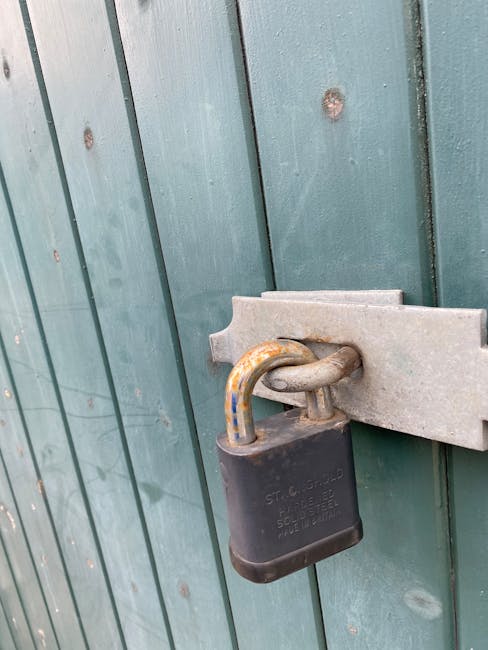
Frognal moves can look straightforward on paper, then the van turns up and suddenly there's a locked gate, a tight shared driveway, or a turn so narrow it seems designed for a hatchback, not a removal van. That's the reality for plenty of NW3 properties. The good news? Locked Gates or Narrow Drives: Fixes for Frognal Moves are usually manageable with the right planning, the right access checks, and a few practical workarounds. In this guide, we'll walk through the problem in plain English, explain the fixes that actually work, and help you avoid the sort of delays that make moving day feel longer than it should.
Whether you're moving from a flat off Frognal Lane, a family home with a front gate, or a property where parking is basically a negotiation, this article covers the access issues, the decision points, and the sensible next steps. No fluff. Just the sort of advice that saves time, reduces stress, and keeps boxes moving the way they should.
Why Locked Gates or Narrow Drives: Fixes for Frognal Moves Matters
Access problems are not a small detail. They shape the whole move. If a gate is locked when the crew arrives, or the drive is too narrow for the vehicle you booked, the job can slow down before the first box is lifted. In practical terms, that means more waiting, more carrying distance, more risk of damage, and sometimes extra cost if the plan was built on the wrong assumptions.
Frognal has a lot of beautiful homes and compact access points, which is part of its charm. But charm and logistics do not always get along. A standard roadside loading plan may work on a wide suburban street; it often needs adjusting here. The sooner you treat access as a core part of the move, the fewer surprises you get on the day.
This matters even more for awkward items like wardrobes, sofas, mattresses, freezers, or a piano. If you've ever watched a bulky item turn sideways in a hallway and thought, "Well, that's not ideal," you'll know why a little preparation goes a long way. For deeper packing and handling context, it can help to review creative packing ideas for a smoother move and bed and mattress moving techniques.
How Locked Gates or Narrow Drives: Fixes for Frognal Moves Works
The basic idea is simple: identify the access constraint early, then match the right workaround to the property layout. That might mean using a smaller van, arranging gate access in advance, creating a temporary carrying route, or planning a shuttle system where items are moved from the property to the vehicle in stages.
In the real world, the best fix is rarely one thing. It's usually a combination. For example, if the gate is locked but the keys are available, the crew may be able to open it at a planned time. If the drive is too tight for a full-size removal van, a smaller vehicle might get closer while the larger vehicle waits nearby. That's not glamorous, but it works.
The key is coordination. You want the move plan, access plan, and loading plan to fit together like three parts of the same puzzle. When they do, the day feels calmer. When they don't, you get avoidable back-and-forth, and nobody enjoys that, least of all when it's raining at 8:15 in the morning.
One practical note: if you're moving from a flat or maisonette with stairs, a narrow passage, or a shared entrance, it can also help to read the local access advice in NW3 flat move access, parking and stair tips. It fits neatly with the problems discussed here.
Key Benefits and Practical Advantages
Getting access right does more than prevent frustration. It improves the whole move from start to finish.
- Less wasted time: The team isn't standing around at a gate or trying to reverse repeatedly into a tight drive.
- Lower handling risk: Shorter, cleaner carrying routes reduce the chance of knocks, scrapes, and dropped items.
- Better vehicle choice: A smaller van or split-load approach may be safer and more efficient than forcing a large vehicle into a poor fit.
- More accurate quotes: A move assessed for access is usually easier to price fairly.
- Less strain on you: You're not improvising on moving day while juggling keys, neighbours, and box labels.
There's also a quieter benefit: confidence. Once the access issue is properly mapped, people tend to relax a bit. You can feel the tension drop. A move that starts with a gate problem can still end up being smooth if the response is organised.
| Access issue | Typical fix | Best for | Watch out for |
|---|---|---|---|
| Locked gate | Pre-arranged key access or timed unlocking | Homes with gardens, mews entrances, shared compounds | Missing keys, wrong contact person, delayed start |
| Narrow drive | Smaller van, shuttle load, or curbside parking | Terraced streets, tight residential access | Vehicle width, turning space, neighbour obstruction |
| Long carry | Route planning and protected carrying path | Flats with no close parking | Slippery surfaces, steps, poor lighting |
| Mixed obstacles | Combined plan with timing, equipment, and crew positioning | More complex Frognal properties | Underestimating the amount of manual handling involved |
Who This Is For and When It Makes Sense
This topic is relevant if your property has any kind of restricted access, but it's especially useful for:
- homeowners with locked side gates, rear entrances, or narrow front drives
- tenants in flats where loading depends on shared access or timed entry
- families moving bulky furniture through older properties with tight approach roads
- students or sharers moving from compact accommodation with awkward entrances
- anyone booking man with a van support in Frognal for a move that needs a smaller, more flexible vehicle
It also makes sense if you're downsizing, moving short distance, or shifting only a few heavy items. Those jobs can look easy, but access issues have a way of making them feel oddly complicated. A small move can still involve a lot of steps, and not always the kind you want to repeat.
If your move involves only a handful of items, the wider planning advice in downsizing on Frognal Estate can be useful too. It's a good reminder that a smaller load still benefits from a proper plan.
Step-by-Step Guidance
Here's a straightforward way to deal with gates, narrow drives, and other access headaches without overcomplicating things.
- Measure the space. Check gate width, drive width, turning room, ceiling height if relevant, and any overhead obstacles. Guessing is a bad habit here.
- Test the route. Walk the path from the property to the loading point. Look for steps, uneven paving, low walls, bins, overgrown plants, and anything that might snag a corner.
- Confirm who opens what. If a gate is locked, identify exactly who has the key and when they'll be available. Sounds basic, but this is where a lot of delays start.
- Choose the right vehicle size. Sometimes the fix is as simple as using a smaller removal van or splitting the load. For furniture-heavy jobs, a dedicated furniture removals service in Frognal can be a better fit than a one-size-fits-all approach.
- Protect the contact points. Use covers or padding where gates, posts, and walls might get scuffed. A little protection saves awkward conversations later.
- Plan the carry sequence. Put heavy or awkward items closest to the exit in a logical order. There's nothing clever about carrying the bed frame before the mattress if it blocks your path.
- Build in time. Access delays happen. Give yourself a buffer so one locked gate doesn't unravel the whole morning.
Truth be told, that sequence sounds obvious. Yet on moving day, obvious things are exactly what people forget when they're tired, busy, and trying not to step on the dog's water bowl. Keep it simple. Simple works.
Expert Tips for Better Results
After enough moves, a few patterns become very clear. First, the access issue is usually predictable if you ask the right questions early. Second, the fix is often less about strength and more about positioning. And third, the best crews don't just "deal with it"; they plan around it before the first box moves.
Here are the tips that make the biggest difference:
- Book an access assessment early. If possible, describe the gate, drive, or parking situation before moving day.
- Share photos. A few clear images of the entrance, drive, and any tight corners can be far more useful than a vague description.
- Keep keys and codes easy to reach. Put them in one place. Not buried in a kitchen drawer under batteries and old takeaway menus.
- Think about the load order. Heavy items first, fragile items protected, and awkward items handled with enough space to turn safely.
- Use the right packing approach. Good packing makes awkward access easier because items are easier to stack and carry. If you want a deeper refresher, see decluttering before you move and creative packing approaches.
- Be realistic about lifting. Narrow access often means more hand-carrying. That's where good handling technique matters, especially for heavier loads.
If you're moving a piano, freezer, or especially bulky furniture, the access plan becomes even more important. Those items are less forgiving, and the margin for error disappears quickly. For piano-specific concerns, the article on moving a piano with care is worth a look.
Common Mistakes to Avoid
Most access problems are made worse by a handful of avoidable mistakes. The annoying part is that they're all very human mistakes.
- Assuming the van will fit. If the drive looks narrow, don't hope it works out. Measure it.
- Ignoring turning space. A vehicle might fit in a line but still be impossible to manoeuvre in practice.
- Not checking gate access in advance. A locked gate without a plan can stop the move cold.
- Leaving key people out of the loop. Neighbours, landlords, building managers, or family members may need to coordinate access.
- Overloading the route. Too many loose items near the exit make carrying slower and riskier.
- Forgetting weather and ground conditions. Wet paving, moss, or gravel can make a narrow route more slippery than it first appears.
Another one, and it's a biggie: not allowing for the human pace of moving. Even with a good plan, there's always a pause while someone finds a key or moves a parked car. That pause is fine, unless your schedule leaves no breathing room at all. Then everything feels harder than it needs to.
Tools, Resources and Recommendations
You do not need fancy equipment to solve most access issues, but a few practical tools make life easier:
- Tape measure: essential for gate and drive widths.
- Phone camera: quick photos can help assess the route before the team arrives.
- Protective blankets and corner guards: useful when narrow access brings walls and door frames into close contact.
- Labels and colour coding: help keep loads organised when items have to be moved in stages.
- Strong gloves and sensible footwear: basic, but they matter more than people think on uneven access paths.
For move preparation and loading support, you may also find these resources useful: packing and boxes in Frognal, removal van options, and local removal services. They're helpful when access limitations affect the kind of vehicle or handling plan you need.
If storage becomes part of the solution, especially when access delays make delivery timing awkward, then storage in Frognal can help bridge the gap. Sometimes the smartest answer is to stage the move rather than force everything through one narrow doorway at once.
Law, Compliance, Standards, or Best Practice
For most household moves, the main concern is not a complicated legal issue; it's safe and sensible working practice. Still, there are a few standards and expectations worth keeping in mind.
Moving teams should work in a way that reduces foreseeable injury and property damage. In the UK, that generally means using safe lifting methods, planning routes properly, and not forcing vehicles into spaces where damage is likely. Employers also have duties around health and safety, so professional movers should take access hazards seriously rather than treating them as an inconvenience.
Best practice usually includes:
- clear communication about access restrictions
- careful manual handling
- appropriate vehicle selection
- property protection where tight clearance creates a risk of scuffs or impact
- insurance awareness before work begins
If you want to understand how a reputable mover approaches safety and cover, the page on insurance and safety is worth reviewing. It gives useful reassurance without overpromising anything. And that matters. No one wants vague confidence on a moving day.
There's also a practical ethical layer. If access is especially awkward, the job should be quoted and scheduled honestly. Underestimating the challenge is not just bad planning; it can affect safety and service quality. A decent mover will say so plainly.
Options, Methods, or Comparison Table
There are usually several ways to solve a locked gate or narrow drive problem. Which one is best depends on the property, the load, and the timing.
| Method | Pros | Cons | Best use case |
|---|---|---|---|
| Use a smaller vehicle | Easier access, less risk of damage, more flexibility | May require multiple trips | Tight drives and narrow residential access |
| Timed gate access | Keeps the route simple and direct | Depends on keyholder availability | Locked gates with reliable access arrangements |
| Shuttle loading | Allows a larger move without forcing the van in | More manual handling and time | When the vehicle cannot safely reach the property |
| Partial disassembly | Makes large items easier to carry through restricted spaces | Needs time and care to reassemble later | Wardrobes, bed frames, tables, some sofas |
| Temporary storage | Reduces pressure if the move must be split | Adds another step to the process | Delayed completion, staging, or staggered delivery |
For many Frognal moves, the smartest option is a mix of smaller vehicle plus careful staging. It's not the flashiest solution, but it tends to be the one that leaves everyone less frazzled.
Case Study or Real-World Example
Here's a realistic example. A couple moving from a period flat near a narrow side road had a locked rear gate and only a short driveway to work with. Their first instinct was to book a standard van and hope the crew could make it work. On inspection, it was clear that the vehicle would not comfortably clear the approach, and forcing it would have created problems at both the gate and the turn into the drive.
The fix was practical rather than dramatic. The movers arranged timed gate access with the keyholder, used a smaller vehicle to get closer, and shifted the heavy items in a planned sequence so nothing had to be carried twice unnecessarily. A sofa was wrapped before being moved because the cornering space was tight; the mattress and bed components were taken out first to create room. It took a bit more coordination, yes, but the move stayed controlled.
The interesting bit was not the equipment. It was the sequencing. Once the team stopped treating the gate and the drive as afterthoughts, the whole day started moving more smoothly. By mid-morning, the awkwardness had gone from the move. The couple still had a tired look on their faces, obviously, but not the panicked one you get when a van is stuck and everyone is pretending not to notice.
That's the bigger lesson: access constraints are solvable when they're handled as part of the plan, not as an emergency on arrival.
Practical Checklist
Use this checklist before moving day. It's simple, but simple saves time.
- Measure the gate, drive, and any tight corners.
- Confirm who has keys, codes, or access permissions.
- Check whether a smaller vehicle is needed.
- Photograph the entrance and loading route.
- Remove anything blocking the path: bins, bikes, planters, loose mats.
- Protect walls, posts, and flooring where clearance is tight.
- Pack awkward items so they are easier to carry.
- Keep a spare plan for rain, parking restrictions, or delayed access.
- Make sure fragile items are labelled and stacked safely.
- Review whether storage or a split move would reduce pressure.
If you need a reminder on handling heavier items with less strain, the guide on kinetic lifting basics and safe solo hoisting offers some useful practical context. Not because every move needs gym talk, but because technique matters when space is tight.
Get a free quote today and see how much you can save.
Conclusion
Locked gates and narrow drives do not have to turn a Frognal move into a headache. Most of the stress comes from not planning for access early enough. Once you measure the space, confirm the key arrangements, choose the right vehicle, and set a realistic loading plan, the whole move becomes much more manageable.
The best approach is usually calm, practical, and a little unglamorous. That's fine. Moving well is rarely about drama. It's about preparation, coordination, and knowing where the awkward bit is before it becomes a problem. And if you've ever had to squeeze past a hedge with a wardrobe on a damp morning, you'll know that a good plan is worth its weight in tea.
For more local context, you might also find it helpful to read about moving from narrow Frognal streets and the best local routes around Frognal and Hampstead Heath. They sit neatly alongside the access issues covered here.
In the end, a difficult gate or a tight drive is just another moving-day detail. Handle it properly, and the rest tends to follow.
![A black metal chain-link gate with two panels secured by a padlock, positioned between concrete block walls. The gate opens into a narrow passageway with a weathered concrete surface leading to a residential driveway. To the left, green foliage partially obscures the wall, while on the right, the concrete wall extends upward with visible mortar joints. The area appears clean and well-maintained, suitable for loading and unloading furniture during a home relocation. The surrounding environment indicates an exterior setting, with natural daylight illuminating the scene, supporting the process of packing and moving by [COMPANY_NAME], such as loading items into a van or preparing for furniture transport in a house removal.](/pub/blogphoto/locked-gates-or-narrow-drives-fixes-for-frognal-moves3.jpg)